Monday, May 18, 2015

ZeroToHundred TimeToAttack 2015 Round 1:. Stay calm and carry on battling...

Apprehension.

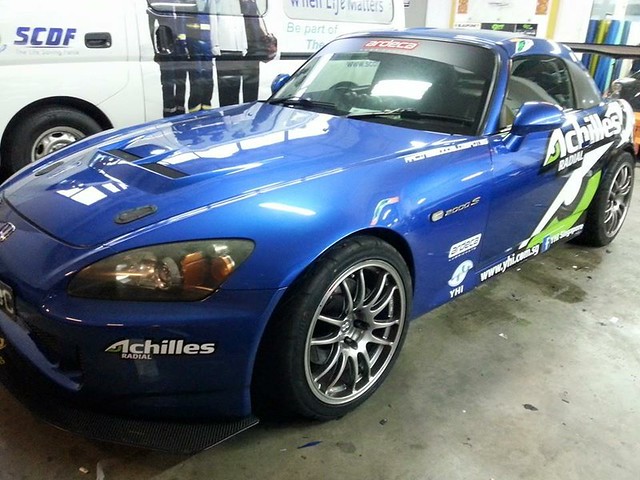
That's probably as close a word I can get to describing how I felt on thoughts on attending ZeroToHundred TimeToAttack Round 1 on 12th April. The car was unable to make it for a shakedown in the Traction Circle Club track day the week before due to shock repairs on the suspicion of a leak. I had mistakenly assumed I had a spare set of brakepads but had to wing it with the existing 50% or less left on the existing set. I only had a one hour session at Johor Circuit to test the new alignment which proved to definitely too short a time to really suss out anything concrete. A new livery done by Project de Creation was on mere days before the actual event which meant I was pretty much back to back in terms of my schedule for sorting out the car.

Still in the Project de Creation workshop just days before!
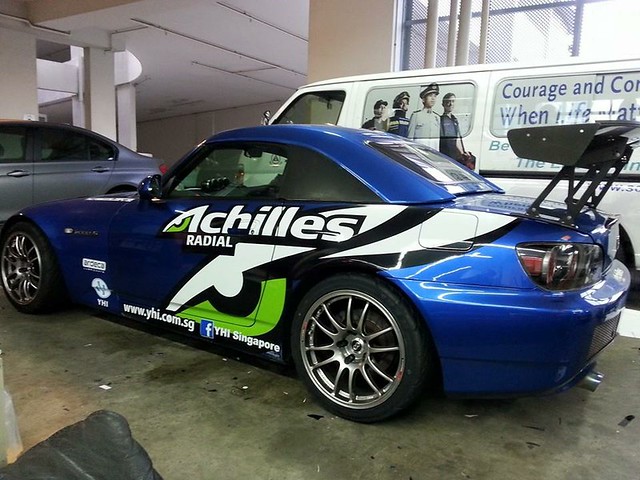


The lack of preparation reminded me most worryingly of the virtual disaster that November 2013 TimeToAttack proved to be in terms of results. What was different this time around was that expectations on performance had now been heightened simply because of the outpouring of support from the partners who were looking to see me do well.

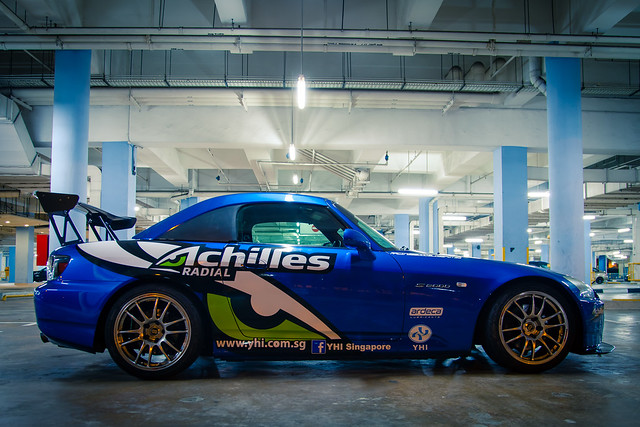
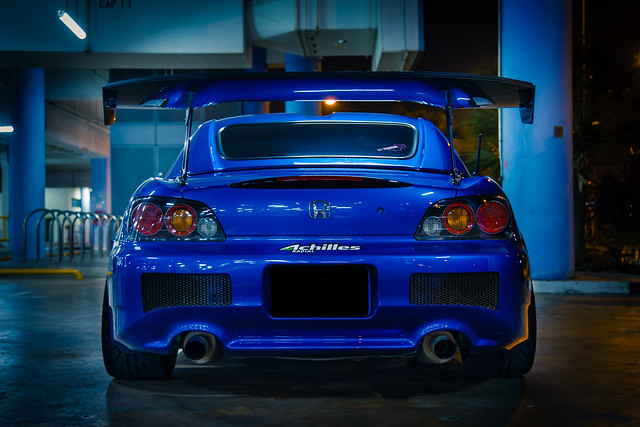
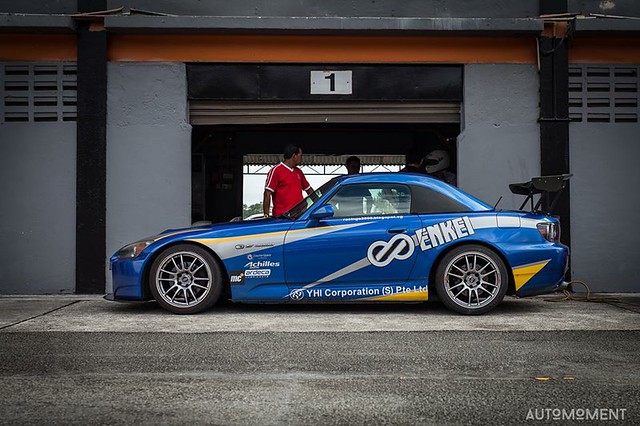
Here are some pretty shots done by Royston Chong of AutoMoment of the finished livery
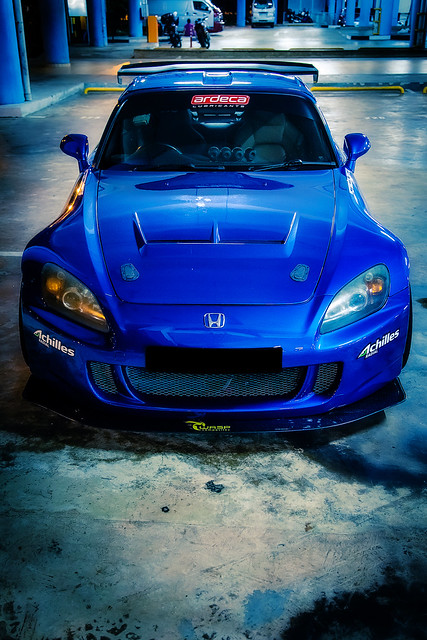


It was in this state of controlled pressure that I made the long drive up to Sepang with my friend Wayn who offered to come along to help out. You see, I'm not some hotshot race driver with a whole team who gets to fly up the night before in order to be absolutely fresh with a car fully prepped and good to go. I just run what I bring up that morning after a 4 hour long cross border commute, get under the car to adjust all the bits myself and make notes or changes however best I can to suit the conditions. In that respect, grassroots enthusiasts all over the globe can understand how I felt because that's how things are for us every single event!

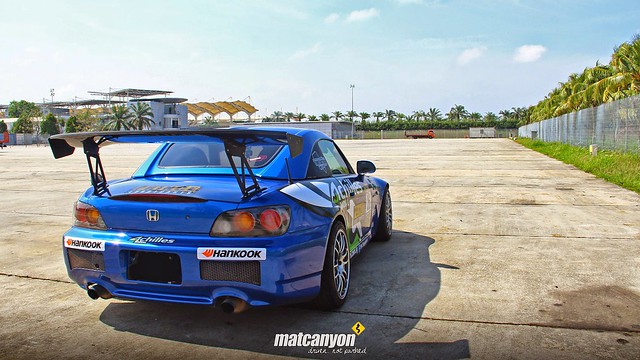
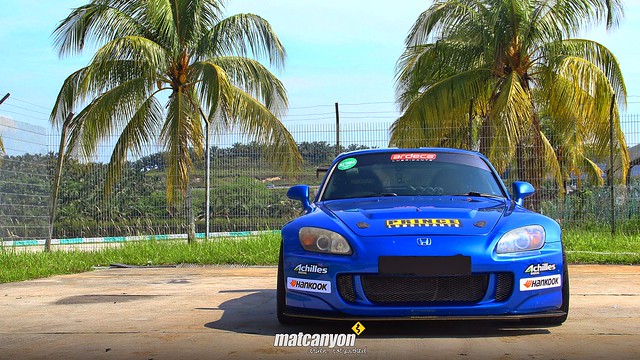
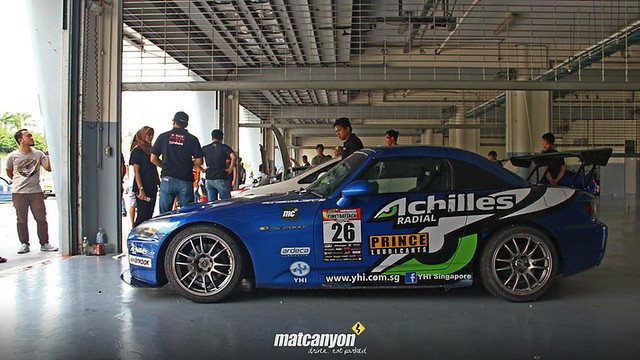
Stopping by scrutineering to confirm my entry for Street Tyres Naturally Aspirated Rear Wheel Drive class, I had the warmest of greetings from Tom and Angeline of ZeroToHundred, Allen Aznan of MatCanyon and Nazli Haffiz of Awesomepowered. Allen took the time to get in a couple of shots of my ride for a feature he was thinking to do. You can check out his thoughts on my ride at the link here: Back to Basics | Norman's Driver-Oriented S2000.

Here are some of the shots he got in of my ride


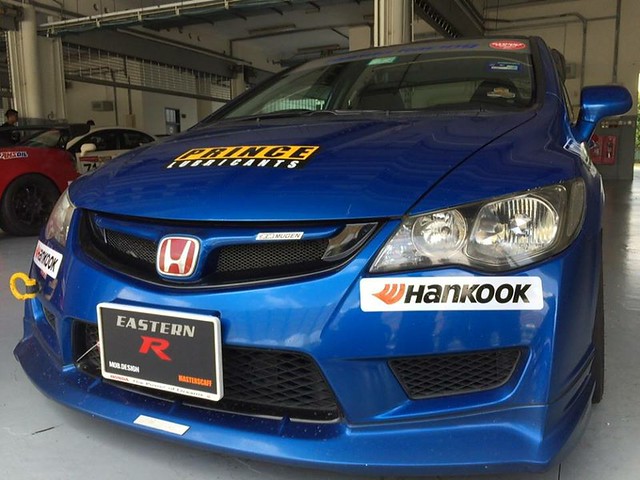
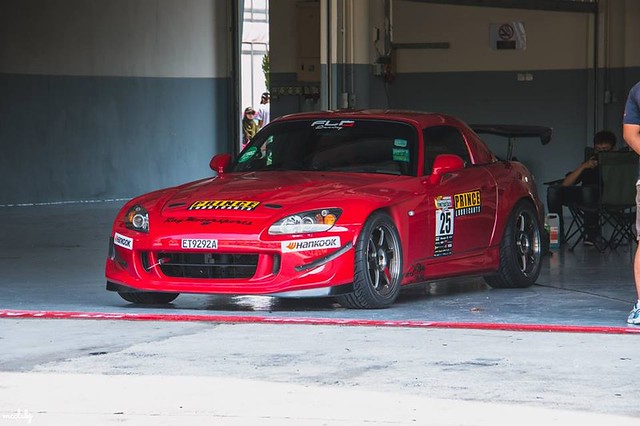
Parking the car into the pits I came across some familiar cars including Steve Toh's red Honda S2000, Zebedee Tay's now widebody Toyota Altezza Mohd Riduwan's shiny blue Civic Type R.
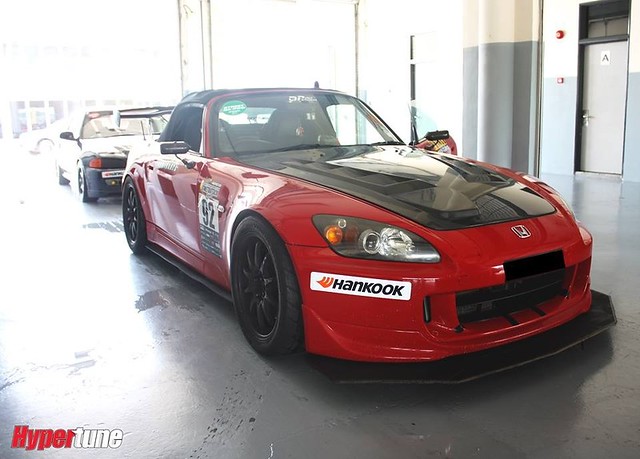


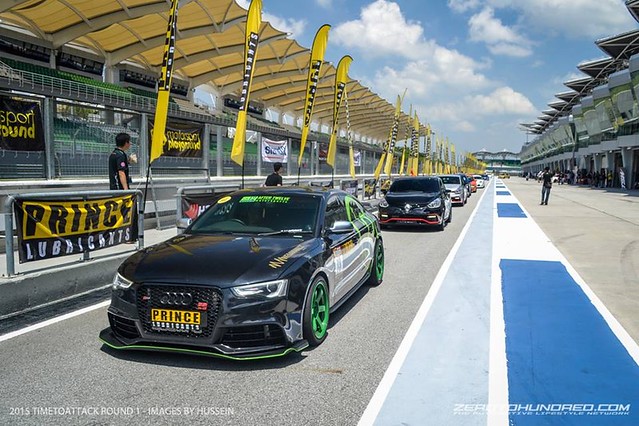
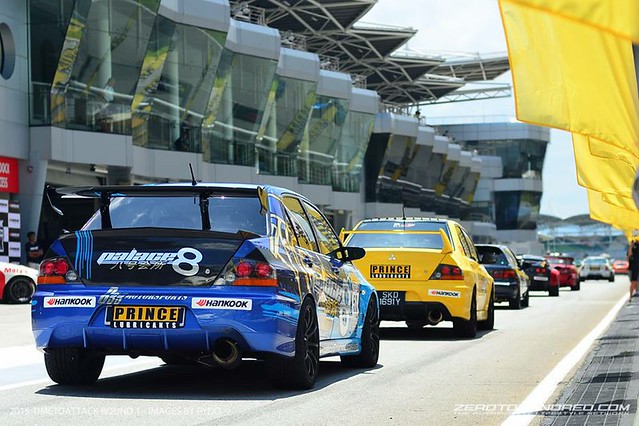
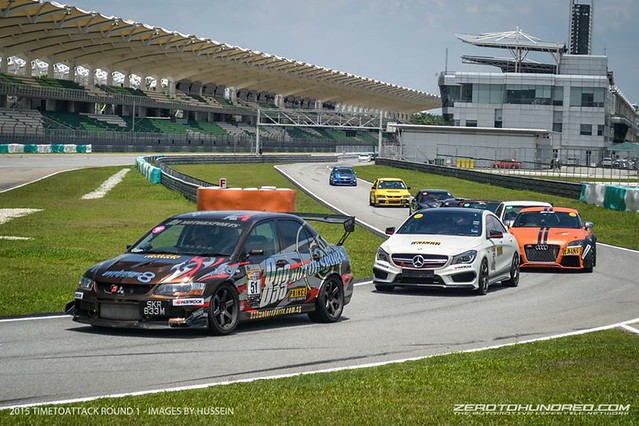
Here some shots of the parade lap with the explosion of colour and variety as what you can expect from a typical awesome turnout for TimeToAttack.


Despite a bit of first session drama with a Evo from Singapore somehow catching fire, the track sessions for all the rest of classes went on smoothly without much interruption. Looking at how the runs were structured, I noted how carefully the classes were planned to ensure reasonable numbers on the track at every outing slot which is testament to the excellent planning by the ZeroToHundred crew. I would be running in the Street NA run which included both Street NA FF and Street NA RWD cars and we had roughly 20 cars that would be out on the tracks so definitely it was a chance to clock a good time.

Soon enough, I got to prepping the car and out I went on the tracks for my allotted first session in the blistering >60 Deg C track temperatures. As I tried to wrestle my way forward through traffic on my out lap, I committed too deeply into Turn 11 and felt the car on the still probably underinflated tyres plow deeper and deeper toward exit gravel! Resisting the instinctive reaction to slam on the brakes knowing that I would probably be stuck if I did so, I maintained throttle while keeping my steering absolutely straight as I charged right into and bounced out of the gravel trap. To my relief as I wobbled along the straight, I felt that the car seemed to be still in decent shape so I soldiered on to try clock my best lap. I was hoping I did not have brake duct wiring dragging behind me in a long line like in Apr 2013 TimeToAttack!

Remember this from that 2013 TimeToAttack? I was sure hoping I didn't repeat that!

 
Still didn't get away unscathed and was left with a dangling brake duct -_-"
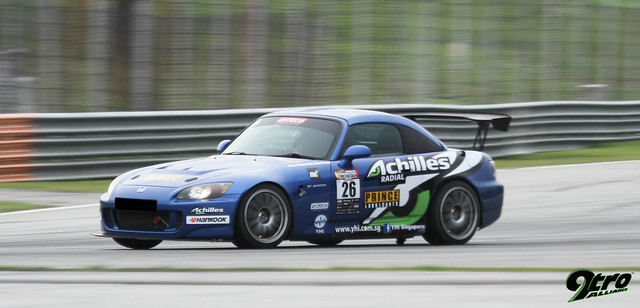


The lack of preparation showed as I struggled with a rusty sense of the track, having not been to Sepang in almost a year since May 2014 9tro'us Track day. My braking points and throttle points were rushed, lacking the smoothness that would earn me precious time savings. Potentially worst of all, my tyre pressures were utterly off the mark with far too high pressures at the rear which forced me into countersteering to manage the slide all the way from apex throttle application point to the track out. It doesn't take a genius to figure out that it wouldn't be the quickest way around a corner but I knew I didn't have much choice so I would have to just wing it. Thankfully, the excellent feedback delivered by the Achilles 123S delivered all the feel I needed to keep the rear break out in check in an ever so slight drift, perhaps this was the drift DNA inherent in the tyre showing its prowess!

Getting back to the pits at the end of the run, I found that other than the broken rear brake duct and some scratches on the underside of the splitter, the car was generally alright. It was a huge relief that the splitter had not exploded like a lesser material have from such a high speed impact in the deep gravel! My timing however was pretty lousy having only managed a best lap time in the 2:42 range. I had still managed to place 3rd fastest but I knew how precarious that position might be since my timing was definitely way too slow.

Checking the car out in the pits post Run 1
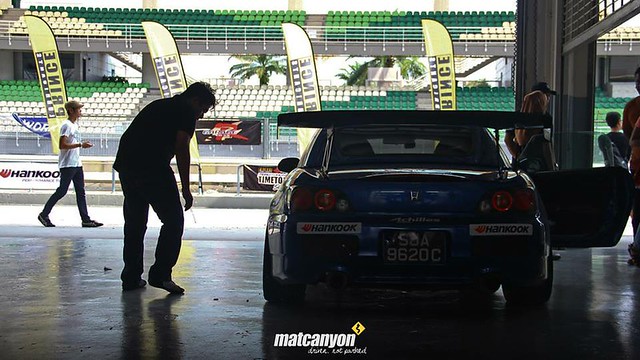
 
 
Car resting in the pits while the driver grabbed lunch


Steve Toh had grabbed 1st while Zebedee's car piloted by William Chong had managed to take 2nd. Sitting in the pits with Steve, Zebedee and William, we chatted for a bit and it struck me that it was probably the calmest I had felt in any track day or time trial event. It was this sense of calm that followed me as I assessed that problem with the pressures and what to do for the second round. Checking the condition of my tyres 123S which looked to be holding up rather well, I clamped the broken duct to a fixed point on the chassis and took the opportunity to take a walk down the pits to have a look at the bevy of beautiful rides that every TimeToAttack inevitably draws. From exotic supercars all the way down to vintage muscle, it seemed that gathering of automotive awesomeness just went on pit after pit after pit....

Here's a video I took of that pit walk, do pardon the iPhone quality!


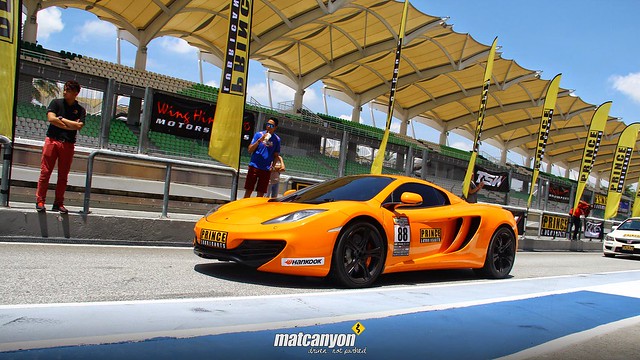
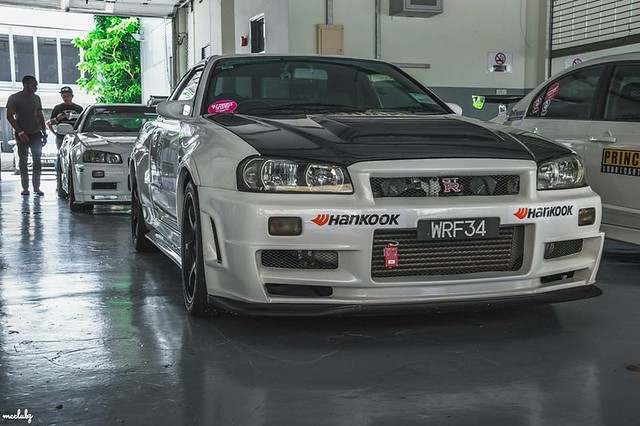
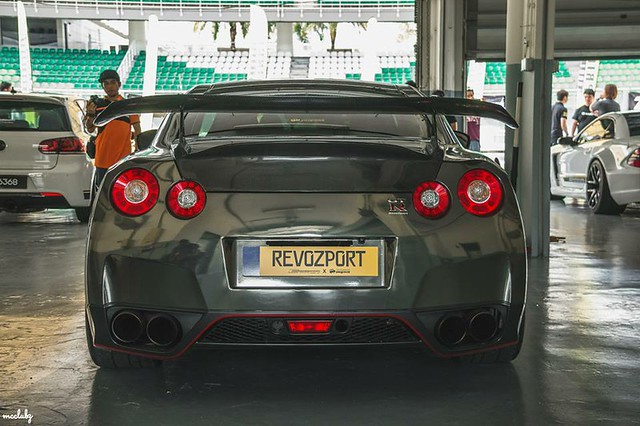
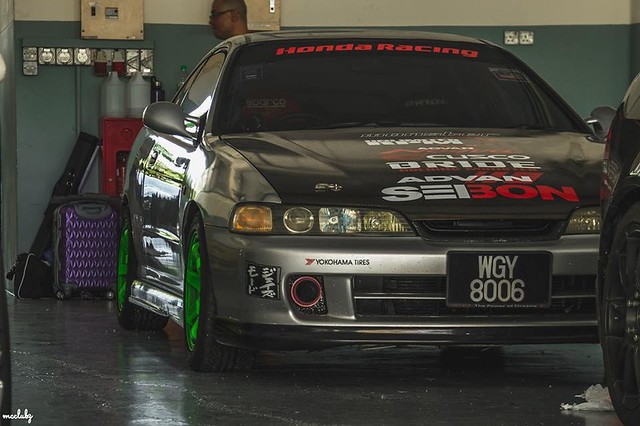
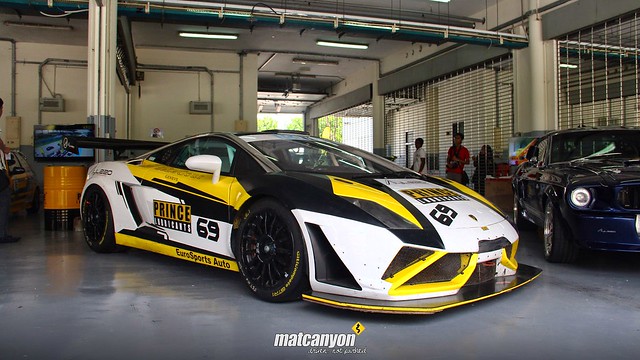
Pics of automotive enthusiast eye candy galore


Checking out the condition of the clouds above, there was a hint that rain clouds might appear but a strong wind pushed the clouds away and that meant that the second run would be dry with a substantially cooler track. This meant that the times in Run 1 would likely be superseded with quicker times in Round 2 so I needed to be at my level best if I wanted to at least retain my positioning. An unfortunate retirement by Zebedee's Altezza meant it was anyone's guess who 2nd and 3rd positioning would go to should their times clocked exceed the Altezza's 2:41 in Run 1. Knowing that it was very likely that peak pressures would now be significantly lower than in Run 1, I decided to keep the pressures the way they were in order to try to see if the oversteer balance would be somehow right itself assuming cooler temperatures kept the rear tyres more grippy.

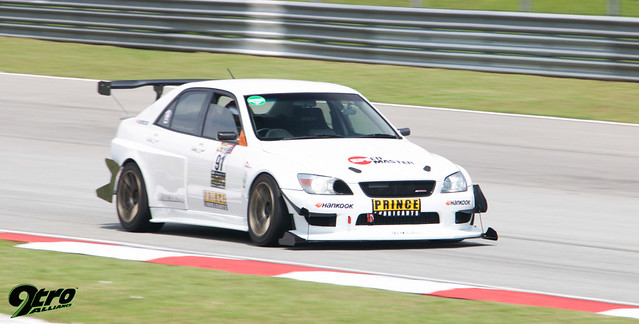
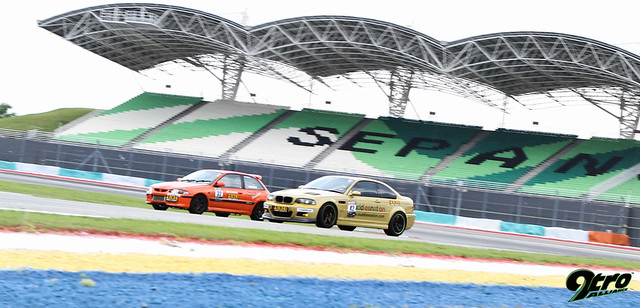
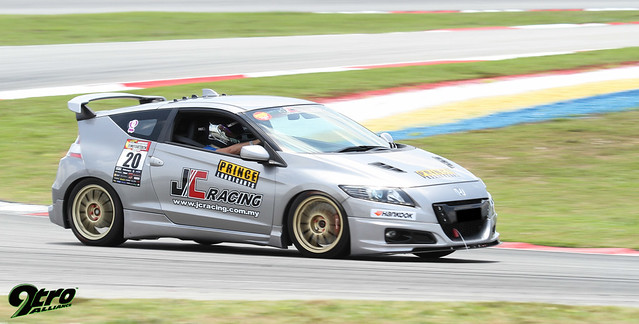
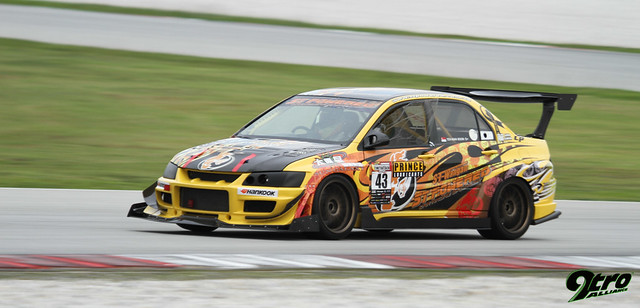
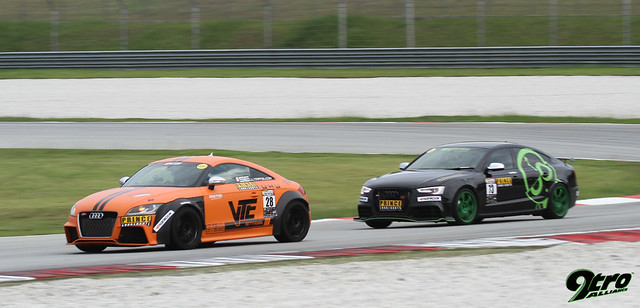
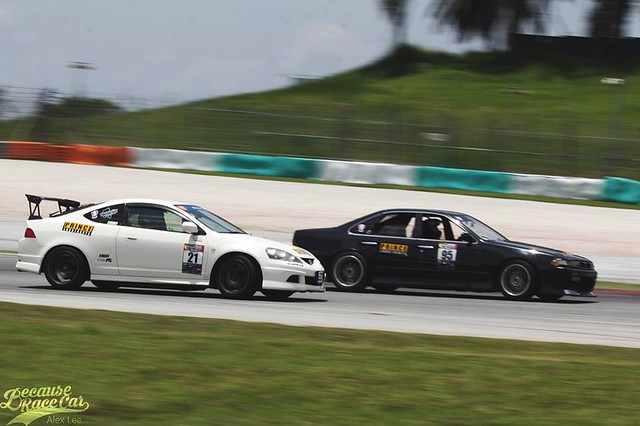
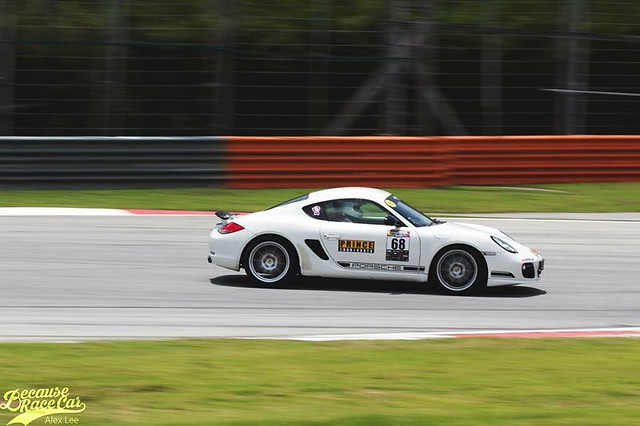
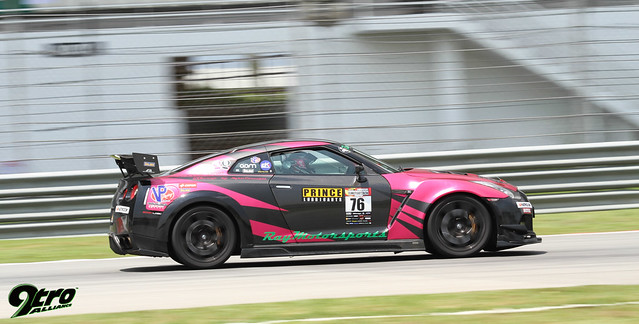
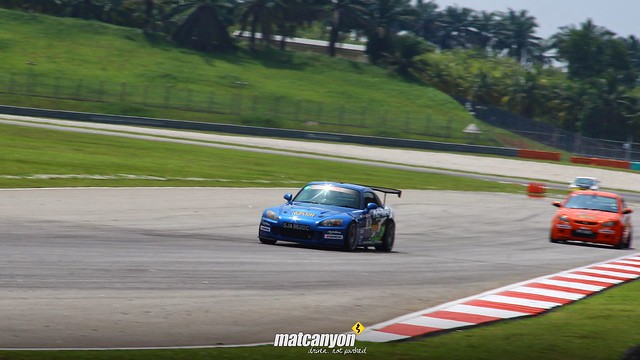
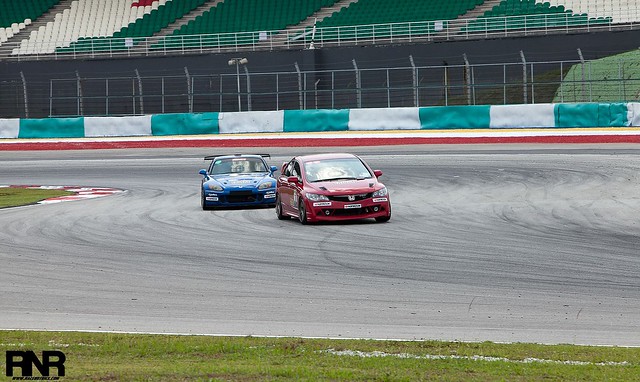
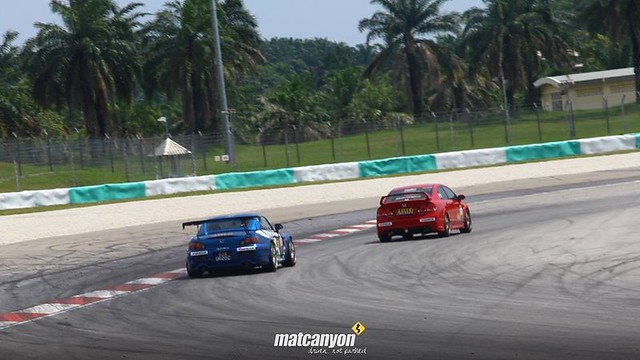
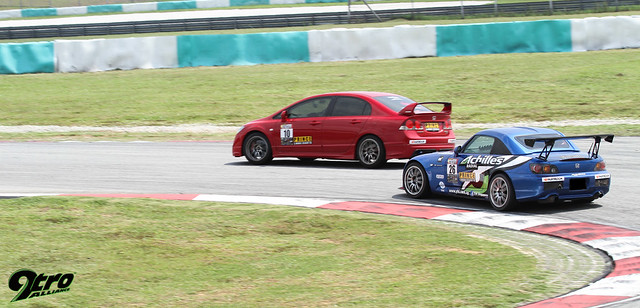
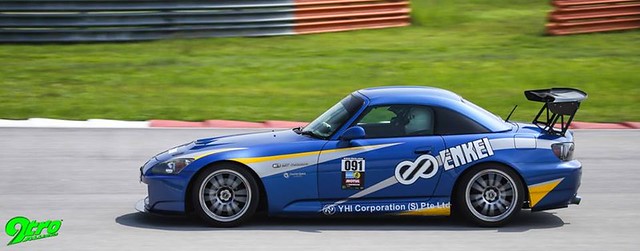
Here are some of the pics of the track action showing mean machines in action trying their best to dominate their respective classes


Here's me doing engaged in some wheel to wheel action while trying to pass


Queuing up behind the cars in my class eager to be released onto the track, I felt composed in an almost surreal fashion and was determined to do my best in a bid to finish well. When the lights turned green, I cleared the pit lane and was into Turn 1. Maintaining 70-80% of my usual pace in order to heat up the tyres properly, I then began the first of my hot laps. Knowing that my alignment had already been messed up by the gravel incident, I braked slightly early for T1 but could feel understeer building on turn in which I later found to be due to a terribly low caster angle. The nagging understeer continued throughout and began to rear its ugly head at the critical Turn 5 and 6 that I usually did rather decently at. I kept my cool and managed at as best as I could by trying to turn in early and using the tail happy nature of the current setup to edge out the exit in the 4 wheel slide fashion.

Here is a video of my quickest lap showing the slide I had to constantly correct due to the sub optimal pressure combined with wretched state of alignment even though in many corners I was only putting down 50% throttle. The deadly double whammy of poor setting caused me to suffer from both understeer and oversteer which made me lose tons of time.


After a bit of slowdown, I noticed a red car entering my rearview mirror and it was Steve who was on his fast lap. You can see his video below as he catches up to me.


Curious how the view was from my car? Check out my video of the same Turn 15 where you can me having the correct the slide even though I was only part throttle out from the corner!


In no time at all, it was time to pit again as Run 2 came to an end. I noted how nicely the 123S had held up under the abuse and it was most certainly delivered a huge contribution to the result with predictable progressive grip to a very high limit. The Wasp Composites splitter strength allowed me to get through a gravel trap that would most certainly have destroyed any lesser material while maintaining rigidity to deliver high speed grip through the high value high speed corners. Ardeca Pure Sport 5W40 was held pressures resolutely high even as temperatures climbed inevitably due to the heat, giving me the whole hearted confidence to go pedal to the metal. Support from these partners had really given me an excellent platform to hopefully snag some results so it was rather nail biting not knowing my lap timing even as the prize giving ceremony began to commence since Street NA was the last category to get their track runs.

Why did I not have access to how quick my lap time was you might ask? I might have forgotten to mention that I had realized I had lost my Racelogic Performance Box only the night before along with my helmet and gloves! I had to make do with no gloves and a borrowed ill fitting helmet so it was not particularly comfortable during the competitive runs.

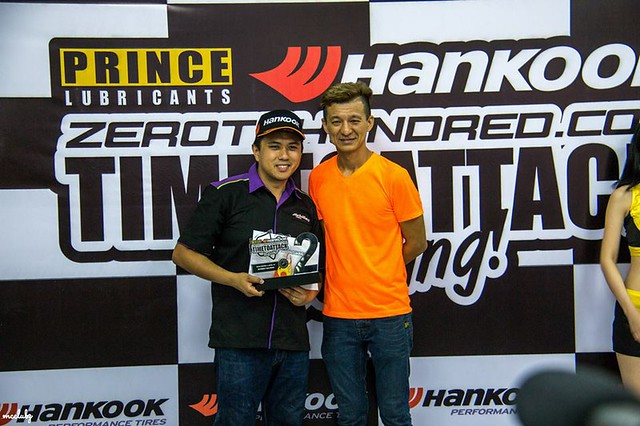
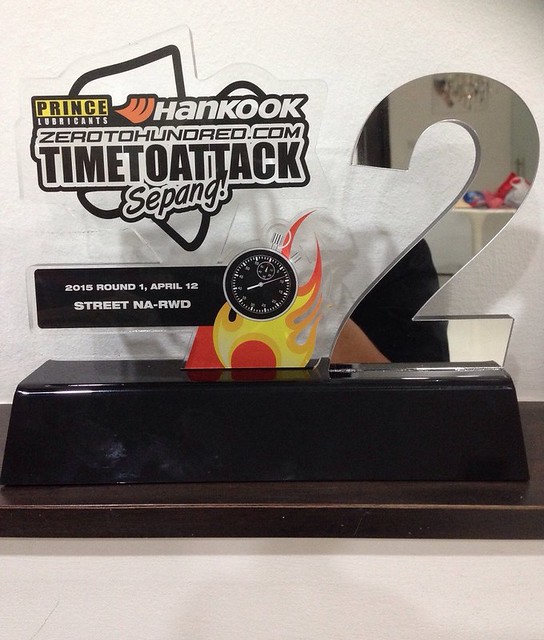
As the results began being announced I stood rapt with attention as they announced the 3rd place winner to be Zebedee who had someone stand in to collect his trophy. Could I have managed to squeeze my way into 2nd or was I displaced by someone with a quicker time? The worry turned to relief as the presenter announced my name for 2nd place with a 2:39 timing! Although a timing I considered to be definitely much slower than what I expected myself to be capable to achieve, I knew that this was probably as good as result as I could have hoped for all things considered and was very grateful for that!

Here's me accepting the trophy for my 2nd placing
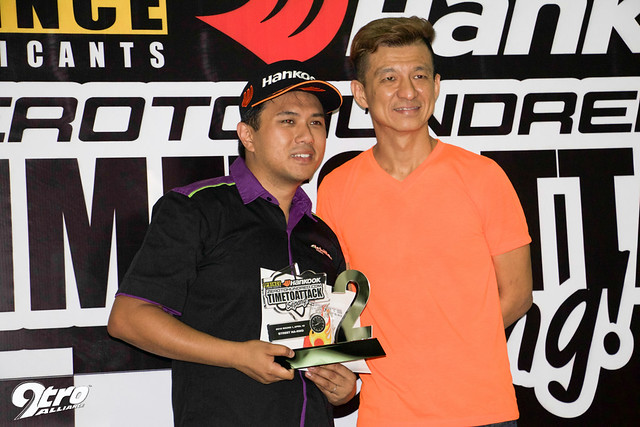


Group pic for all podium finishers for the Street NA RWD class


Making the long drive home with Wayn for company, I mused on what the result could have been should certain outcomes have turned out differently. It then struck me that well, as it was in life, sometimes things are the way things are in racing. Sometimes the best laid plans are tossed into the drain during the critical moments and sometimes the most haphazard of preparations result in outcomes far exceeding your expectations. I'm truly grateful to have validated the faith and support of all those who held high hopes of my success and for 2015, what's left is to stay calm and carry on battling...
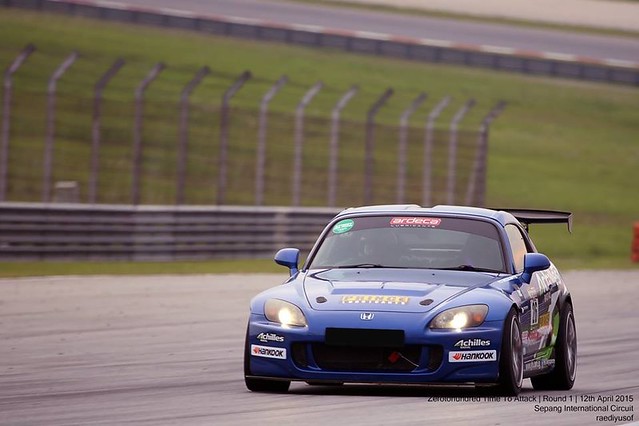


Thanks to the following partners for their strong support:
Achilles Motorsports
Wasp Composites
Ardeca Lubricants Singapore
YHI Singapore
Counterspace Garage
Wayn Wong for the trackside support

Photo/Video Credits to the following:
ZeroToHundred.com
MatCanyon
Raedi Yusof
Project de Creation
Steve Toh
Royston Chong of AutoMoment
Hazwan Nazjims of TrafficOnlineMag.com
hayashi86.com
Mcclubz
RaceNotRice.com
Because Race Car
9tro
Praveent Chelvam of HyperTune

Friday, April 10, 2015

Trial by torture... Ardeca Lubricants on the track and street!

It's commonly said that if the "heart" of the car is its engine, the  'lifeblood' of the engine must be the engine oil. This saying definitely highlights how crucial the performance of the engine oil is viewed to impact the overall performance of the car. On a car doing track duty in a super hot track like Sepang Circuit, the level of abuse the engine oil takes in the engine is many times higher and thus the choice of engine oil is very important to both wring out maximum performance whilst ensuring protection for the engine.

When I first got my S2000, I mostly relied on the regular dealers to give me necessary advice on when to change my oils and what oils to use. After a particularly shocking incident, I then began to realize that I would need to do the necessary research if I wanted to ensure my engine oil choice would be optimal for my usage for peak performance at the track. These were the factors I looked out for:

1. The right viscosity

I was taken aback on how many people and experienced mechanics, despite the huge resources available online which were even sometimes provided by the oil principals themselves, seemed to makepoor choices were made in this area. To put things very simply, the engine manufacturers (Honda in my case) had already determined how thick or thin an oil would be in accordance with tolerances in the engine. Challenging that design by using oil of a viscosity significantly higher would be absolutely taking unnecessary risks in my view.

2. The amount of protection

Engine oil manufacturers usually supply a technical data sheet with many specifications informing consumer on how the oil will act at high or low temperatures and even indicators of potentially how long the protection will extend.


 A simple Google search would be able to give you information on how to decipher the technical terms in layman understanding. When you overlay the information you have on the engine oil with what information is provided by the oil manufacturer, its easy to make an informed choice for the oil suiting your needs. Sub optimal engine oil choices exist but why would I want to spend money on an oil that doesn't protect as well or has protection that is half that of peers?

3. Price

This seems like a no brainer but what I did find out was that there were many brands that seemed to demand a premium for performance claims. In some cases, the premium was easily 30-40% more than a similarly well respected peer brand. Why the discrepancy? It seemed plausible that much of the premium came from the aggressive marketing of the premium brand when actually the oil was made by less well regarded brand with a slightly modified additive package then packaged and rebranded as a premium product.

In many cases, these premium products tended to be very skimpy with details (most don't provide technical data sheets which is a big hint) and rely on quoting XYZ celebrity or big money marketing campaigns to cement their repute and thus inference of quality. As a self funded enthusiast, I look clearly for an oil that has good value for money since I do end up changing oil rather regularly so such premium products hold no lustre for me no matter how sexy the advertising is.

For many years, I ran my car on the Motul 300V which has a stellar reputation in all the areas mentioned above except maybe for the price point as it did command a premium. Am I satisfied to pay that premium? Sure! Running my engine for 160,000 kms on Motul, including the punishing track mileage I put the oil through, is the clearest testament to the superb quality of the oil.

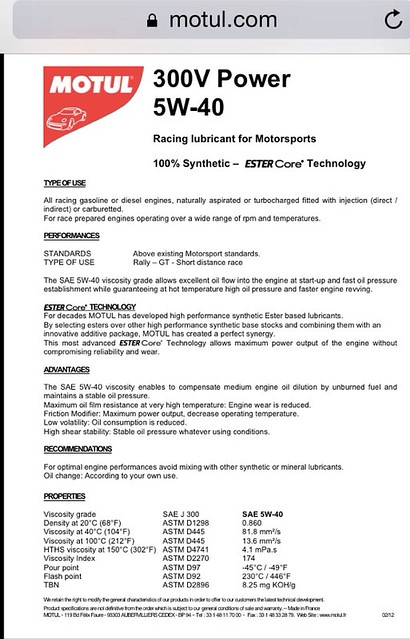
Have a look at the technical data sheet for the Motul 300V Power 5W40 here which is a oil principals provide to aid in choosing the right oil spec for each person's ride. These results were garnered from a test of a sample of virgin (unused) oil.


While it may be confusing for those who are not well versed in the technical terms, the following results stood out for me:

Viscosity at 100°C (212°F) ASTM D445 13.6 mm²/s

This points to the thickness of the oil at a specified temperate which gives one an idea of how much protection the engine may have from the oil when the engine is heated up. Having a number too low means the chance of the oil not lubricating enough and allowing friction wear is higher. Having a number too high means the oil is very "thick" and may make the engine feel sluggish.

TBN ASTM D2896 8.25 mg KOH/g

TBN stands for Total Base Number which is a way to measure how much reserve alkalinity is available provided by the additive package since through combustion and other areas, acidity is introduced to the engine. Having a higher number is good since it pretty much means you can keep using this oil (except if the oil is contaminated by say particles of sand which somehow sneaked past your air filter) even beyond your usual rule of thumb oil change intervals.

There is, however, probably no better way to figure out how well the oil performs than by doing a periodic engine oil analysis. This involves taking a sample of the used oil from an oil change and sending it to a lab where it is put through a series of tests. This will then tell us indicatively how much life the oil has and how well the oil has protected. Sending the Motul sample I had used to Blackstone Oil Laboratory, I then came back with results suggesting that even 15,000 km oil change intervals might be appropriate! This, of course, flys in the face of the conventional wisdom to change your engine oil every 5,000 km or be prepared for catastrophe.

After using Motul for so long, I came across a Belgian brand called Ardeca Lubricants. Interestingly, the very specifications that had made me perk up were similarly displayed in the Pure Sport 5W40 product. Best of all, the product was clearly much more reasonably priced.
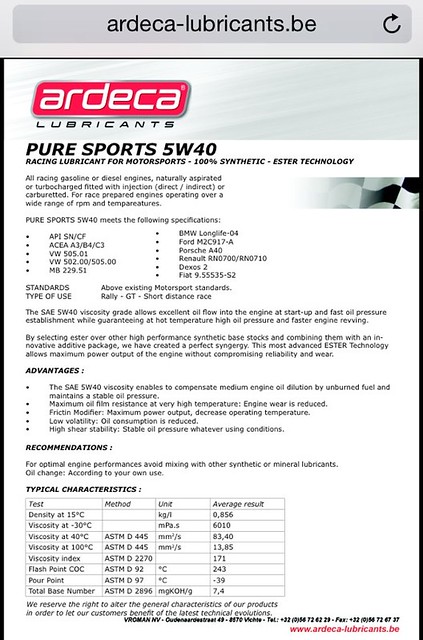
Here is the technical data sheet of the Pure Sport 5W40 to compare some data

Let's take a look at the same numbers I highlighted for the Motul 300V Power 5W40 versus the Ardeca Lubricants Pure Sports 5W40

Viscosity at 100°C ASTM D445  13.85 mm2/s

The Ardeca oil in fact runs very slightly thicker than the Motul when the engine is hot so in my mind, there isn't much of a significant difference in this department.

Total Base Number ASTM D 2896 7.4 mg KOH/g

The additive package in the Ardeca oil may be slightly less than that of the Motul oil but let's take that into perspective and delve a bit deeper into the analysis. In the interest of ensuring peak performance for the engine oil, the general enthusiast isn't probably looking at comparing 20,000 oil change intervals between the both oils.  10,000 to 15,000 kms is probably the limit that most would consider to be reasonable and in this scenario, the difference in TBN is probably not realistically going to make much of a significance. The savings possible then from a cheaper oil are now apparent.

Virgin oil samples are, however, probably not as convincing as trial by fire on the track so off to the tracks we go! I decided to run the oils for about 10,000 kms and managed to squeeze in some trackdays in that mileage:

9tro'Us 2014 Sepang Trackday


Giving taxi rides was the order of the day (Photo by 9tro)


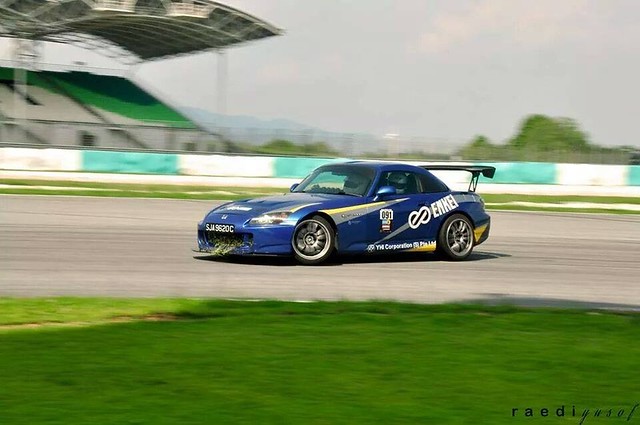
Giving taxi rides sideways after doing landscaping at Sepang was the Special of the Day (Photo by Raedi Yusof)


PG Trackies Johor Circuit 3rd April Trackday


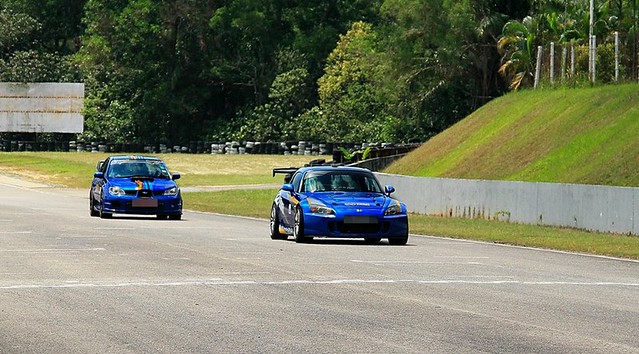
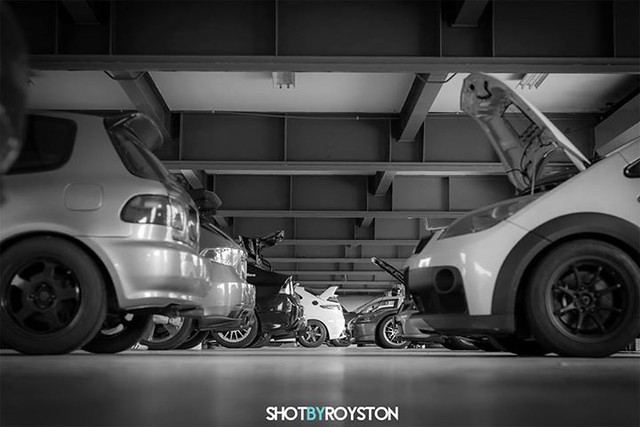
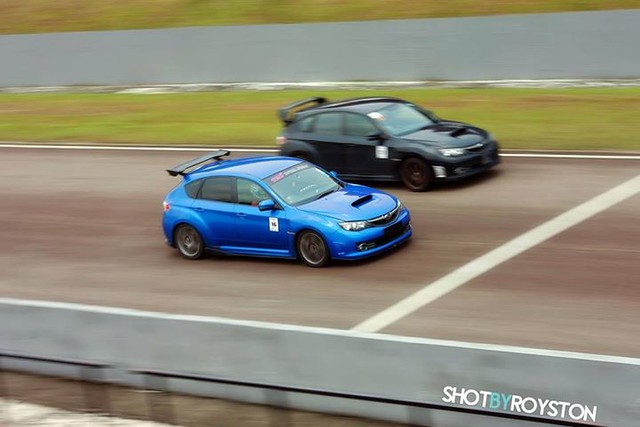
Which blue would you pick? NA or Turbo?


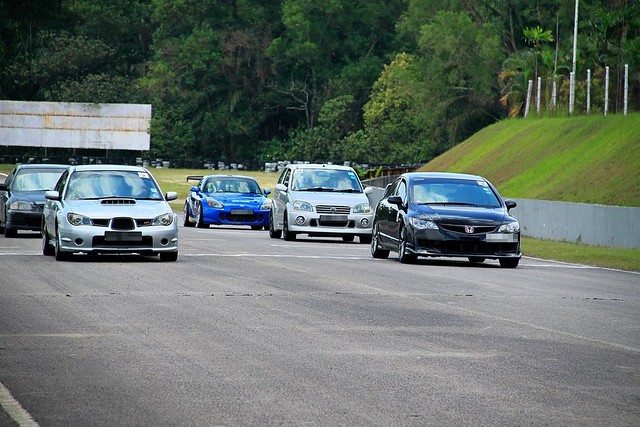
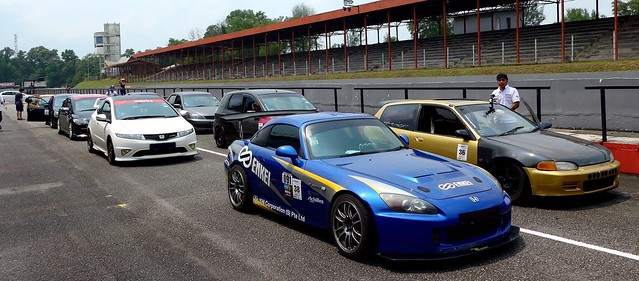
Late to the line up meant I got stuck way at the back of the pack


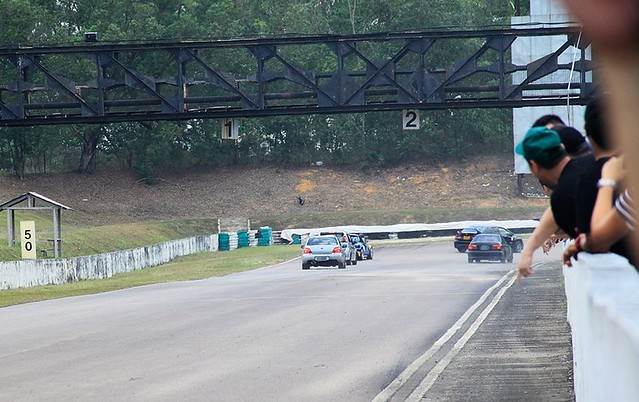
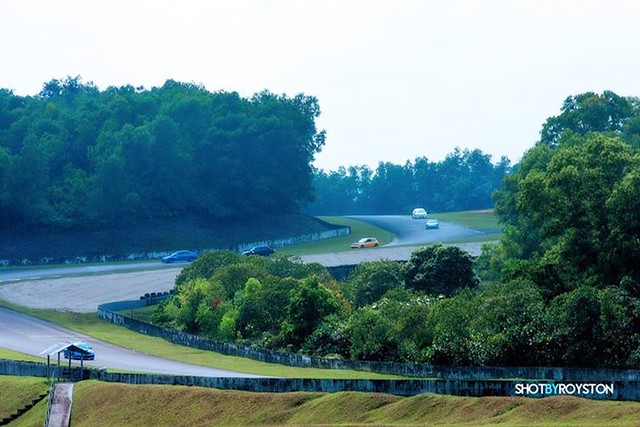
Traffic jam at Turn 1!


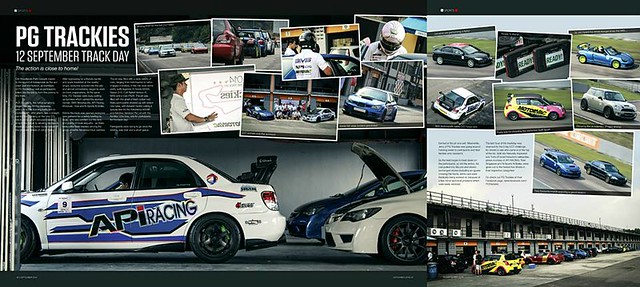
PG Trackies Johor Circuit 12 Sept Trackday


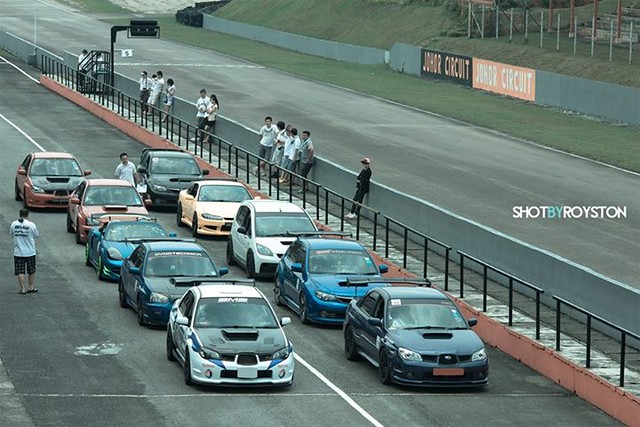
Lining up for the Normally Aspirated 5 Lap CCT


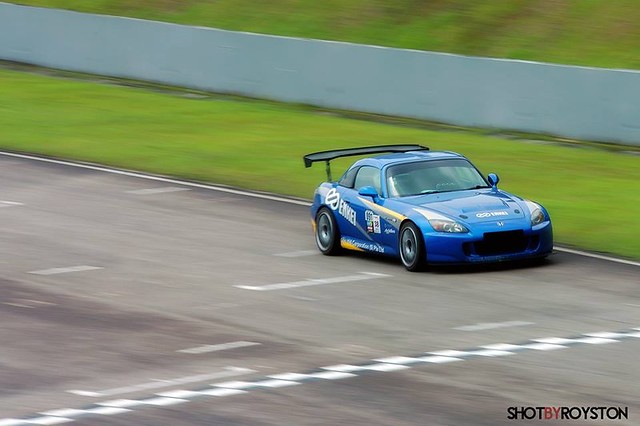
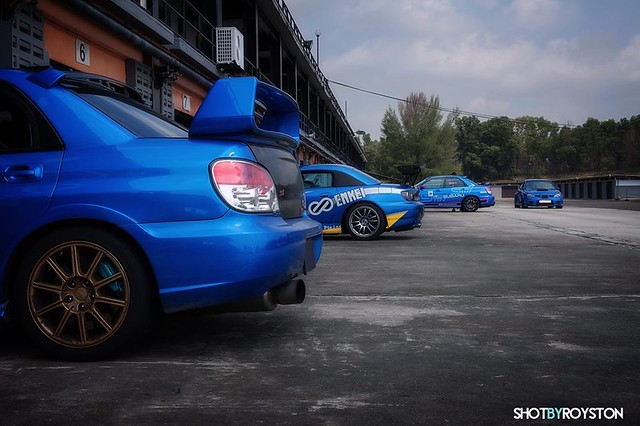
Caught just before the finish line as I bagged 1st place (Photo by Shot By Royston)


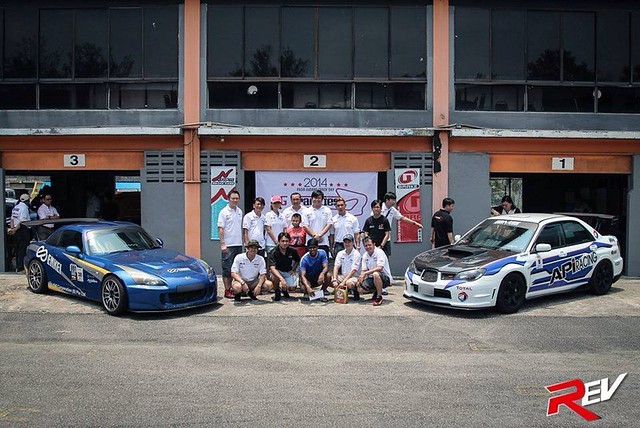
Group pic for the winners of the CCT with the winning NA and Turbo cars

Once I was done with the oils, I changed them out and send the oils off for the good folks at Ardeca Lubricants Singapore to have the oils tested by BlackStone Oils. Why was an oil test necessary? Here is a link by the good people of Blackstone explaining why oil analysis is important and useful but in short, testing the oils in the laboratory is the only objective and data verified way of truly knowing how the oil has performed and how much lifespan we can expect from it.


I was a bit apprehensive about the test numbers as I had unwittingly run too much octane booster over the few events and this caused the oil temperatures to remain much higher than I would liked them to. Would this mistake result in a contamination of the sample such that it would compromise the performance overall additive package and reduce the useable lifespan?A sample of unused or virgin oil was sent along with the sample that had been run in my F22C engine and this was for the purposes of ensuring we know how the oil profile looked like fresh out of the bottle compared to its post usage profile.
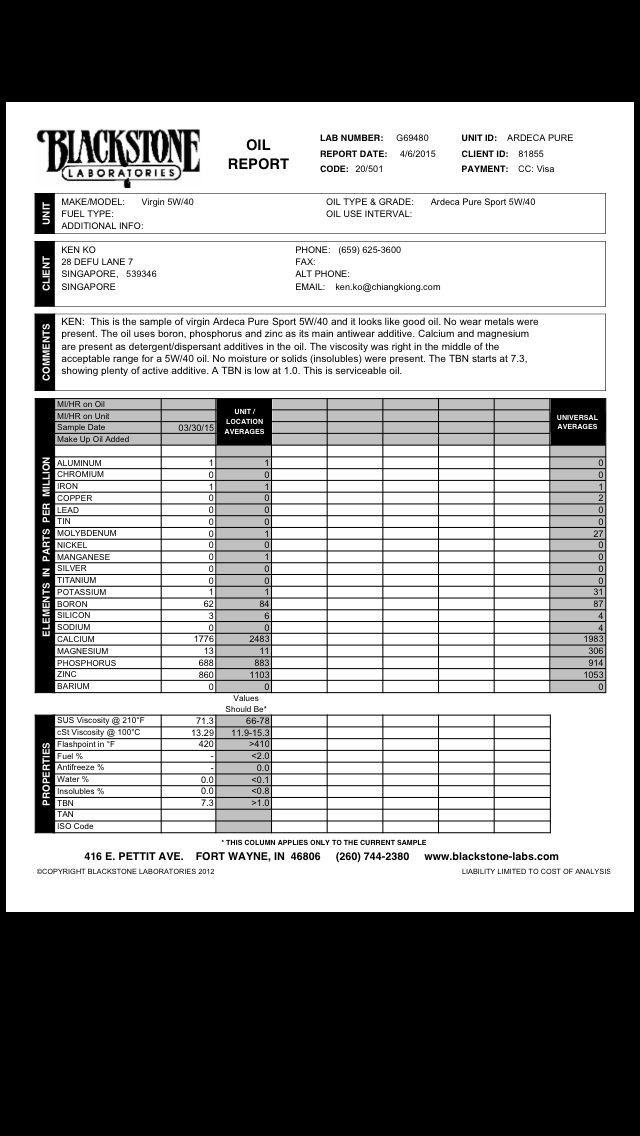
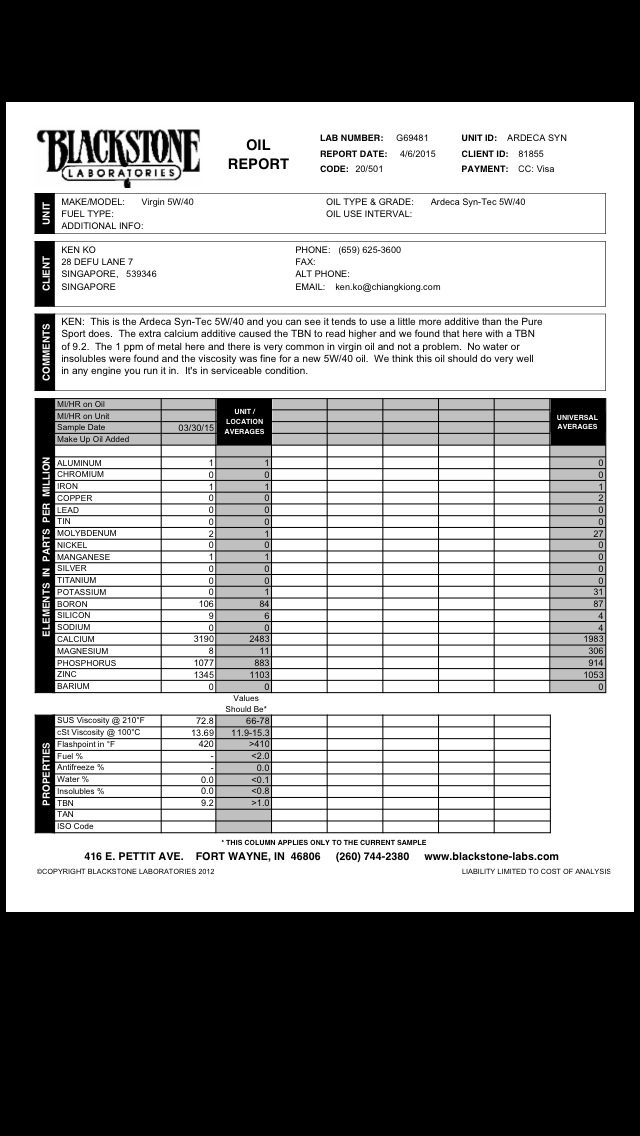
Here is the report on the virgin sample of Pure Sport


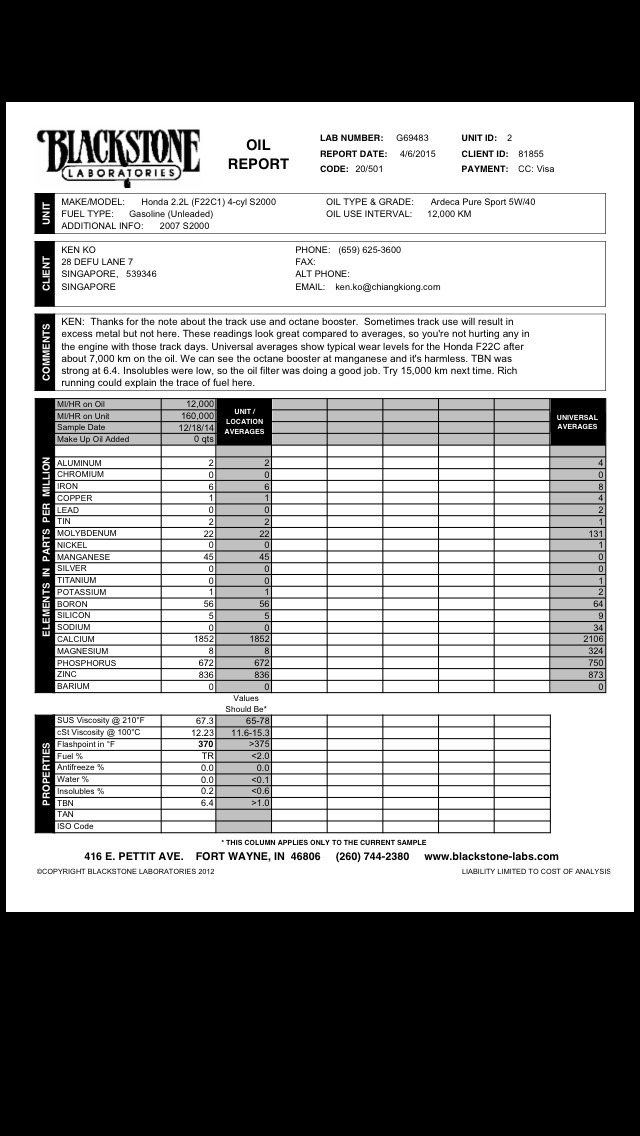
Here is the report on the used sample of Pure Sport


In brief, the results were truly confidence inspiring with the report stating that I could look forward to try a 15,000 km oil change interval as compared to the current 12,000 km done even with the abuse of 3 track days. Apart from fuel contamination by the overly rich mixture caused by excess octane booster and additives from the octane booster, these are probably the kind of results you can see from premium oil peers. The key results that struck me were that the oil doesn't seem to have sheared down much from the original state which is probably due to its ester core base.

 It is very interesting to note that the traditional wisdom to have oils changed out after 5,000 or 10,000 km is likely to be much too early. This objective testing allows me to use the oil wholly reassured that I'm keeping my engine well protected throughout my track sessions and focus on driving to the limit.

The quality in the Ardeca Lubricants lineup of products extends to the rest of its product range and what better way to showcase this than to do another "torture" test on their range of regular oils. For this test, I used my Honda Jazz family runabout to absolutely try to test the limits of longevity since it would be representative of the typical family runabout and usage environment. The car in question was a 2006 model with a manual gearbox and had already seen more than 200,000 km of mileage of road use. In went Ardeca Syntec 5w40 and 30,000 kms of grocery getting, school runs and ferrying of the family took place before I got the oils changed out for fresh oil.

Here is the virgin sample of Syntec


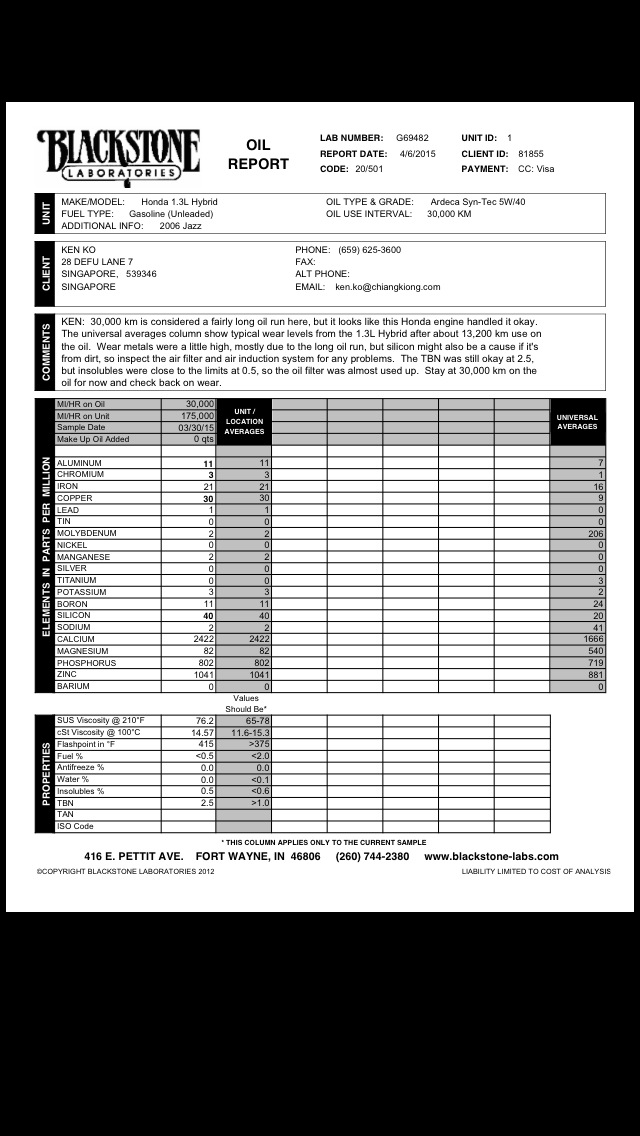
Here are the results of the 30,000 km run


Daily driving might be considered quite abusive to engine oil since the engine tends to operate a lot of the time not fully warmed up and stop and go traffic with its lack of steady operation combined with higher fuel mixture taking its toll on the lubricant lifestyle. It's often mentioned that oil change intervals should be around 15,000 to 20,000 km for a family car or every half yearly for optimum performance and protection.

In this case, I used a year's worth of 30,000 km of mileage to truly push the limits and yet the oil has performed very well being limited to a large degree by dirt which I believe is the result of a dirty air filter. Owing it to this being a non ester core oil, it was expected that the oil would shear down which is seen in the TBN dropping to about 2.5.  I had expected a recommendation to reduce oil change intervals to 20,000 to 25,000 km but looks like even 30,000 km seems fine for this oil as suggested by the good people of Blackstone.

In conclusion, despite the low profile of the brand, I am absolutely confident to run with Ardeca Lubricants Pure Sport in my S2000 for my 2015 season of racing owing to the superb results of the torture test I ran the oil through. I'm happy to rock the Ardeca Lubricants decals and have embarked on partnering with Ardeca Lubricants Singapore to do further testing on the Pure Sport product which I look to do further updates on while potentially expanding the range of products covered. Thumbs up for a brand that delivers stellar quality which can stand the most rigorous standards of trial!


Shout out to those who made this possible:
Ardeca Lubricants Singapore
Achilles Radial
Wasp Composites
YHI Singapore
Counterspace Garage

Media credits to:
Jerry & Kelvin for their PG Trackies pics
Shot by Royston for his pictures
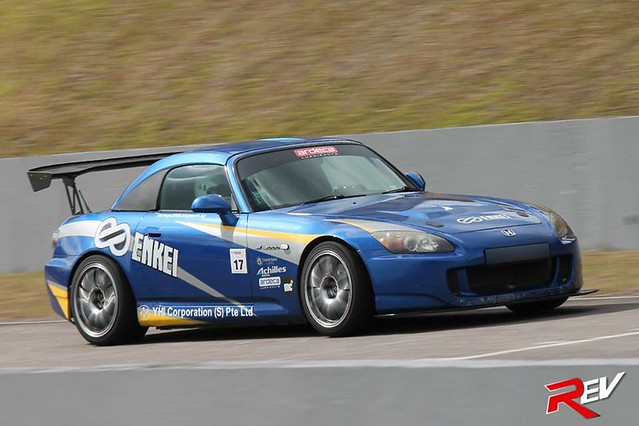
Rev Magazine for lovely shots

Technical info credits:
Motul & Ardeca Lubricants for their technical data sheets

Sunday, April 5, 2015

Achilles 123S testing... Track racing trial and testing!

The Achilles 123S is a tyre that has gone unnoticed by many in Singapore and Malaysia which is surprising since the older version of Achilles 123 was the official tyre for the Sepang 1000km Race in 2009 and this tyre has even been run by the winning car in the Formula Drift event in Singapore in 2012. This lack of notice is even more surprising since they are currently being run on the leading Formula Drift car piloted by Daigo Saito who dominated Formula Drift US Irwindale in October 2014.

Check out this cinematic clip of Daigo with Achilles Radial team!


Seeing how much promise the tyre has to deliver high performance at a surprisingly affordable price, I decided to try them out to see if they would actually be able to match up to the current top reference tyres in my mind: namely, the Advan Neova AD08 and Hankook Ventus RS3. The Advan AD08 delivered super sharp response with great progressive grip rain or shine with a relatively moderate fall off in grip over the heat cycle while the Hankook RS3, although cheaper, was super sticky when fresh but tended to be a bit lacking in feel, be rather tricky to drive in the wet and had a fairly steep drop off after a few heat cycles. Where would the Achilles 123S end up in comparison to these 2 great tyres?

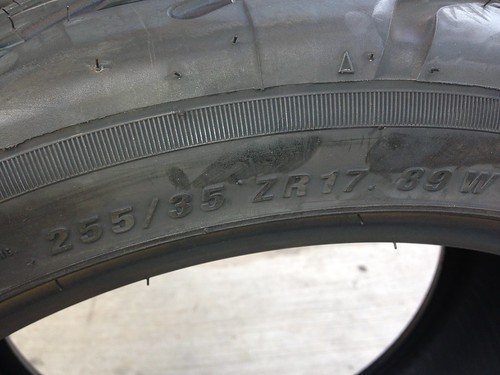
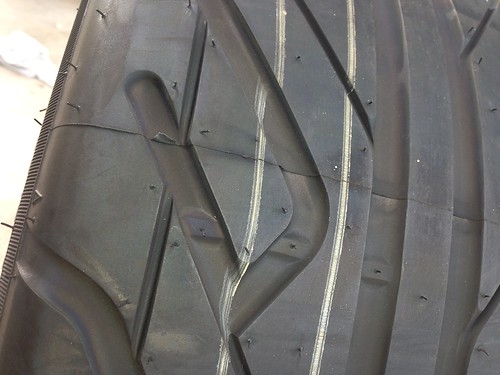
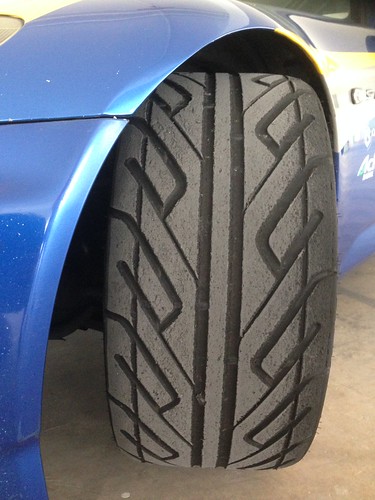
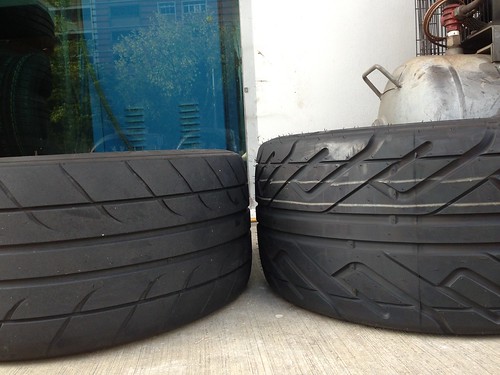
Here's some shots of the super aggressive tread pattern of the tyre


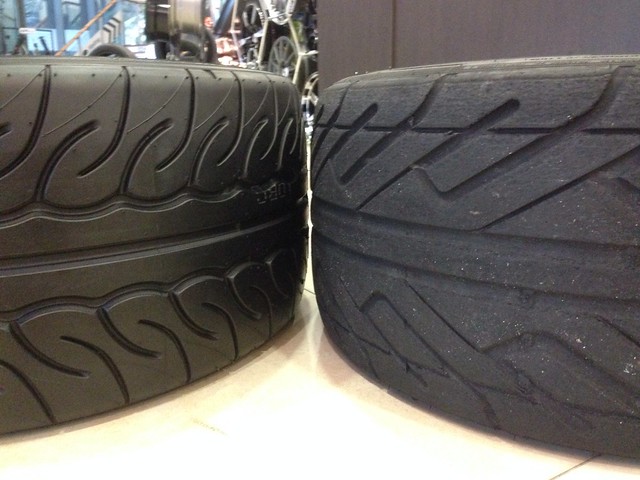
Although I could not get my hands onto a 255/40/17 Hankook RS3 which has an advertised tread width of 9.6 inches for comparison, I got the next best thing to compare with which was a 255/35/18 AD08 which has an advertised tread width of 9.9 inches so its clear to see the 123S, despite being slightly narrower runs very wide indeed!


When you don't have a ruler on hand, the key comes in handy to measure tread depth! This is about a 5mm tread depth which is optimal for out of the box racing use.


Referring to the Achilles 123S page here, we can see the major benefits touted:

1. Twin Centre Grooves Design
2. Rounded tread design
3. Rim Guard Protection
4. Solid Centre Rib
5. Highly strengthened block and strong tyre shoulder design

The combination of all these attributes are meant to deliver a tyre that excels on the street and track racing performance. Considering the reasonable price and the multi year warranty that is extended on the tyre, most buyers of these tyres should be pretty comfortable knowing that choosing this tyre won't overshoot their budget or compromise on safety. Track enthusiasts like myself, however, would really focus on the both daily driveability and the ability to achieve good track timings when running these tires. So after a few weeks of driving the tyre around on the street, it was off to the track!

Heading down to the 9tro'us Track Day , I got a good feel of how the 123S would perform in the scorching hot weather on that day and even managed to get some data on the performance of the tyre via my RaceLogic Performance Box which gives me the grip numbers via a G force readout. Let's break down the numbers into a performance department comparison versus a currently well regarded tyre for tracking namely the Hankook RS3 Z222 by making reference to the average G forces generated over a series of runs done.

A) Straight line braking on the front and back straights:
In terms of heavy braking from high speed, both RS3 Z222 and 123S perform at a very high level and exceed 1 G of brake force and there is not much gap in terms of grip potential between them both.

B) Low speed corners:
The grip difference seems to favor the RS3 yet the 123S is only separated by a mere 0.1 G meaning this difference is really slight and might only be truly apparently driving when you are seeking that additional couple of tenths of a second.

C) Mid to higher speed corners
Considering that the aerodynamic effects dominate at these speeds compared to mechanical effects, it was relatively more easy to get stable results to spot a difference as spikes in readings tended to be slightly less. Once again, the difference was similarly slight but there was a clear consistent bias to RS3 Z222 having a higher grip.

Overall despite me having mechanical issues which resulted in my lap times being rather below expectation, I was able to get some valuable feel of how the tyre performed. Firstly, the feel and response of the tyre were at a very high level and definitely close to the excellence of the Advan AD08 leading me to be very confident to push the limits as I had very good feedback through the steering. Secondly, the tyres were sticky and maintained their grip well despite the blistering hot conditions during which many tyres would have succumbed to. Thirdly, the outright grip was very close to the super stickiness of the Hankook RS3 as validated from the data generated. Even my friend Gerald Tan who races at a pretty high level commented on how nicely the tyres seemed to perform!

Here is a video link of how exciting the track day was! Can you find my car in there? ;)


In between this and the next track day, I did a fair bit of daily driving which gave me a chance to experience the tyre on day to day driving use. During the dry weather driving, the noise generated from the tyre was on the high side but for an enthusiast driver like myself, the noise was really nothing new and pretty much in line with what most tyres of this category would be like. For the wet weather, due to the shallower tread depth, one had to be cautious not to get into deep puddles as aquaplaning would occur. Even so, the tyre was very communicative throughout and would "remind" me how close to aquaplaning I might be getting close to. Definitely a tyre that I had no problem living with for daily driving use.

The next trackday I attended was the (12 Sept PG) where with the help of the tyres, I managed to snag 1st Place in the Normally Aspirated CCT challenge! I had a leaky exhaust manifold to contend with which slowed me down a little and my settings for alignment and damping were off the mark leading to me being lacking in confidence (the walls are pretty close at Johor Circuit so I'm not afraid to say I have good reason to be really conservative!) but despite that made some improvement to my personal best.

Here are some pictures of all the fun I had at the event! Grassroots motorsports at its finest...


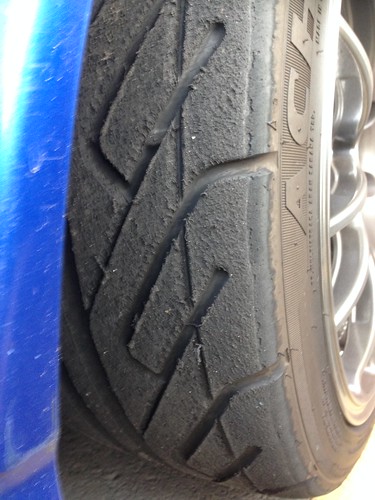
After the track day, the tyre was fairly worn but in a rather even manner as you can see from the pics below:


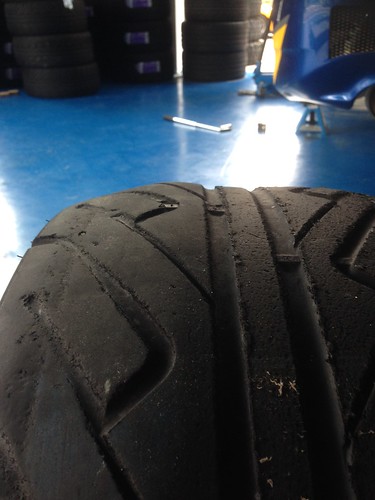
I did, however, have an issue on the final few laps of the CCT which caused me to have unstable handling when applying or backing of the throttle. I found out that the tyre had developed a bulge which you can see from the pics and video below.

Watching this video u can see where the block bulges as the tyre rotates


These two pics show a close up static shot of the bulge


The development of such bulges does not mean that the tyre is in any way lacking in quality as tracking the tyre with high camber like I do puts huge stress on the car especially since I tend to run about maybe 20 hot laps or more at a go even on a worn set so from time to time, such faults appear. I had used another set of 123S all the way down past the tread marker bars and no such bulge had developed so I'm actually very confident in the tyre quality and construction. 

I've taken pains to deliver a fair and transparent review of what the strengths and weaknesses of the Achilles 123S and I hope this has been informative to those who want to pick a tyre and are presented with this choice. I strongly recommend this tyre to any of my friends especially those who enjoy going to the race track as it's balance of both excellent performance and great affordability make it a powerful proposition so I have no reservations in doing so. Do look forward to see me use this tyre more often at the next track events and maybe even competitions!


Credit to the following for their strong support:
Achilles Radial
Ardeca Lubricants Singapore
Wasp Composites
YHI Singapore
Counterspace Garage
 
Media credits to:
AutoMoment / Shot by Royston  for the pictures
Rev Magazine for their coverage of the PG Trackie event
Aaron Hia for his pictures
BROOKSFILMS for the video of Daigo
525 Studios and 9tro for the video of the 9tro'us 2014 trackday